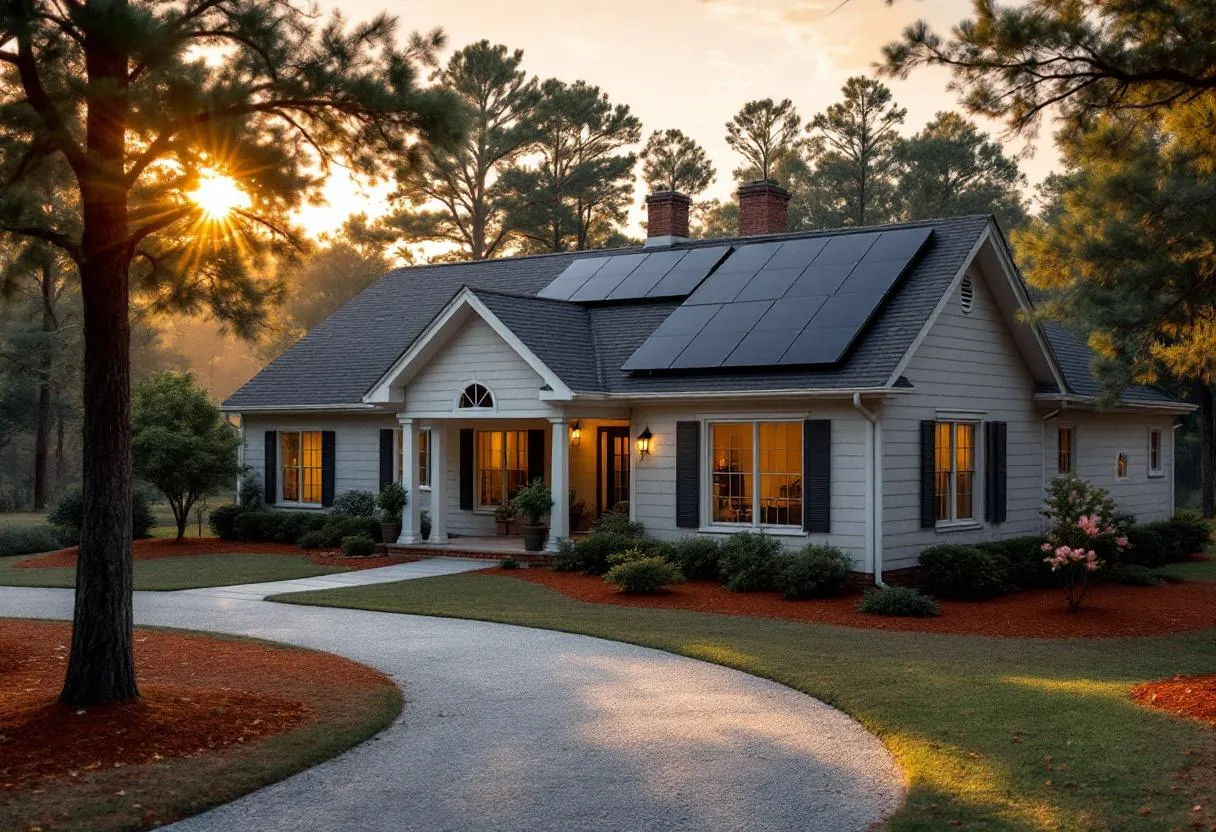
Virginia is one of the most underrated states for solar power in the U.S. The Old Dominion gets solid sun exposure, has some of the strongest utility-scale solar growth in the country, and offers homeowner incentives that most people don't even know about.
The commonwealth passed the Virginia Clean Economy Act in 2020, which set a path to 100% clean electricity by 2050. Since then, solar adoption has been climbing fast. Yet many Virginia homeowners still don't realize how many incentives are on the table.
Whether you're in Northern Virginia, Richmond, Roanoke, or the Hampton Roads area — here's every solar incentive and program available in VA for 2026.
🔑 Key Takeaways for Virginia
Federal 30%
Claim 30%.
100% Property Tax Exemption
Solar adds zero extra property tax. Full exemption.
Net Metering Available
Dominion and Appalachian Power both offer net metering at retail rate.
8–11 Year Payback
Most VA homeowners break even within a decade.
30% (ITC)
This is the single biggest solar incentive available. If your solar system costs $28,000, you get $8,400 back from the IRS. It's a dollar-for-dollar reduction on your federal income taxes owed.
The 30% Credit Section -->
No Virginia State Income Tax Credit for Solar
Let's be upfront about this: Virginia does not have a state income tax credit for solar.
Virginia used to offer one — a tax credit of up to $2,000 or 30% to make solar worthwhile here.
Solar Costs & Payback in Virginia
Looking at solar panel kits, batteries, or inverters? Check current prices on Amazon:
How much should you expect to invest in solar, and how long until it pays off?
For illustration, let's break down a typical 8 kW system on a Virginia home:
| Item | Amount |
|---|---|
| Average system cost | $28,000 |
Federal tax credit (30% exemption, and retail net metering. Combined, these make VA a solid solar market.
How does Virginia's property tax exemption for solar work?Virginia law provides a 100% property tax exemption for residential solar installations. When panels are added, your home's assessed value goes up — but the added value from solar cannot be taxed. So your property tax bill does not increase because of your solar panels. Frequently Asked QuestionsWhat is Dominion Energy Solar in Virginia?Dominion Energy Virginia runs SolarShare, a community solar program. If you cannot install rooftop panels, you can subscribe to a shared solar farm and receive credits on your electric bill. They also offer full net metering for rooftop solar customers. Does Virginia have a net metering policy?Yes. Virginia has state-regulated net metering for investor-owned utilities. Dominion Energy and Appalachian Power both offer retail net metering for residential systems up to 25 kW. Excess production earns bill credits at the full retail electricity rate. Is solar worth it in Virginia?Yes. Virginia gets about 4 to 4.5 peak sun hours per day. The 100% property tax exemption is one of the strongest in the country. Combined with the 30% tax credit, most Virginia homeowners pay off their solar system in 8 to 11 years and save tens of thousands over the 25+ year lifespan. Frequently Asked QuestionsDoes Virginia have a state tax credit for solar?Virginia does not currently offer a state-level solar tax credit. You claimed it from 2010–2017, but it was never renewed. However, Virginia homeowners still qualify for the federal State & Utility Credits, 100% property tax exemption, and net metering. What is Dominion Energy Solar in Virginia?Dominion Energy Virginia offers a shared solar program called SolarShare. It lets customers who cannot install rooftop panels subscribe to a nearby community solar farm and receive credits on their electric bill. How does Virginia's property tax exemption for solar work?Virginia exempts 100% of the added value from a solar panel system from your property taxes. Your home value can increase after installation, but your property tax bill will not go up because of it. Does Virginia have net metering?Yes. Virginia has a state-regulated net metering program for investor-owned utilities like Dominion Energy and Appalachian Power. Systems up to 25 kW net meter at the full retail rate. Smaller utilities and co-ops may have their own policies. Is solar worth it in Virginia?Yes. Virginia gets 4–4.5 peak sun hours per day on average, has a 100% property tax exemption for solar, and strong net metering rules. Most homeowners see a payback period of 8–11 years even without a state income tax credit. Find Your Virginia Solar SavingsEnter your zip code to see your exact utility rebates and all incentives available for your VA home. Enter Your Zip Code → |